The Wounds of the Past
we now know that the impact of overwhelming life experiences doesn’t always stop with the individual who went through them. Transgenerational trauma (or intergenerational trauma) occurs when the deep emotional and physiological wounds of an unresolved shock, chronic oppression, or severe adversity are unconsciously passed down from one generation to the next.
When our parents, grandparents, or ancestors faced prolonged stress or trauma and lacked the safe environment needed to process it, their nervous systems adapted to survive. These adaptations shape how they parented, how they communicated, and—as modern science now reveals—how their genetic expression developed. What shows up as an invisible weight or a repeating loop in your life today often comes from an inherited survival strategy.
Transgenerational trauma is not a mystical concept; it is mapped directly into our biology through epigenetics.
While our core DNA sequence remains unchanged, severe or prolonged stress alters the cellular “tags” that dictate how genes are turned on or off. Through the lens of PsychoNeuroEndocrineImmunology (PNEI), we understand that an ancestor’s chronically activated stress response alters their hormonal and nervous system chemistry. These epigenetic changes can be biologically transmitted to future generations, leaving descendants with a nervous system that is naturally more sensitive to stress, hyper-vigilant, or prone to chronic anxiety, immune dysregulation, and unexplained physical pain.
Understanding Transgenerational Trauma: A Systemic Perspective
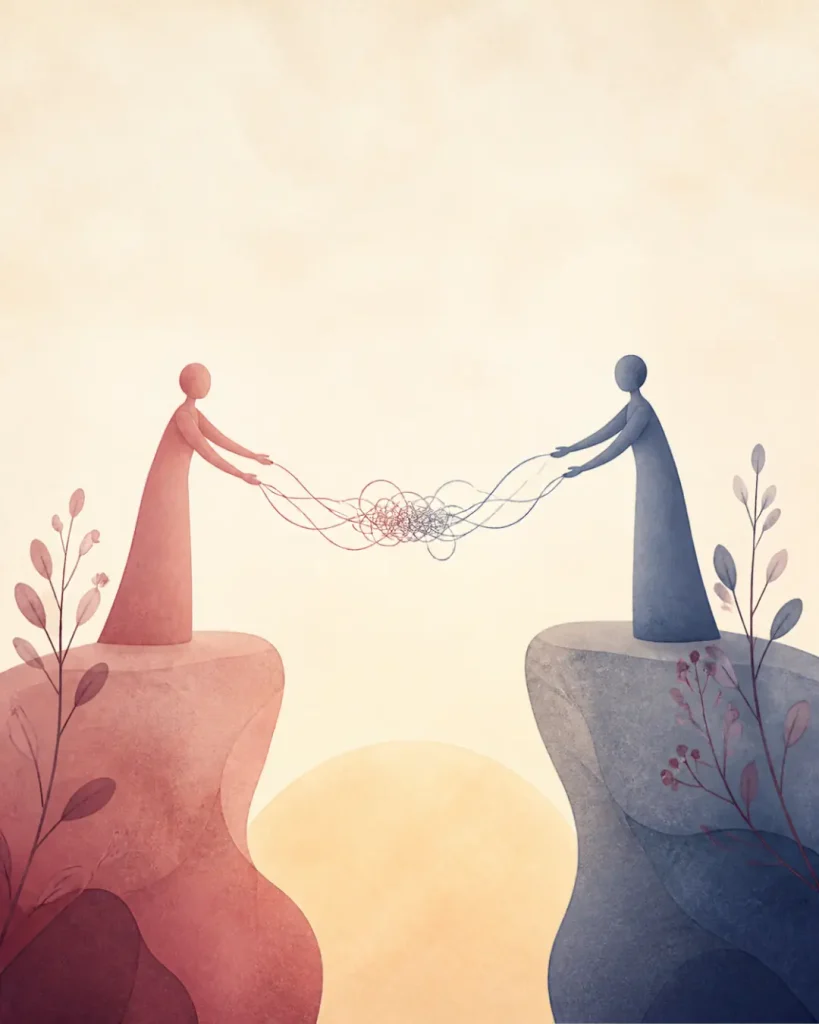
Sometimes, the struggles and emotional patterns we experience in life aren’t just our own—they may echo generations before us. Transgenerational trauma refers to the way unhealed pain, losses, or coping strategies can be passed down within families, shaping how we relate to ourselves and others, even if we’re not always consciously aware of it. From a systemic perspective, each person is part of a larger family and cultural story. The joys and sorrows of our ancestors can quietly influence our beliefs, reactions, and sense of safety in the world.
New research in fields like epigenetics and family systems therapy suggests that trauma can leave both emotional and biological traces, impacting not only those who directly experienced it but also their children and grandchildren. You might notice themes of anxiety, grief, or disconnection that seem to run through your family history. The good news is that by bringing compassionate awareness to these patterns, we can begin to heal—not just for ourselves, but for future generations. Working together, we can gently explore your family’s story, honor what came before, and create space for new, healthier ways of being.
Common patterns explained
Because these patterns are woven into both our family systems and our biology, they can be difficult to identify. They often present as:
- UNEXPLAINED EMOTIONAL STATES: Feeling a deep, persistent sense of grief, generalized anxiety, or a chronic fear of scarcity that doesn’t seem to correlate with your actual life experiences.
- REPEATING FAMILY LOOPS: Unconsciously reenacting the same relational conflicts, boundary issues, or attachment wounds that your parents or grandparents experienced.
- PSYCHOSOMATIC MANIFESTATIONS: Repressed ancestral stress and family secrets reemerging at the biological level as persistent muscle tension, chronic fatigue, or inherited patterns of physical illness.
- INVISIBLE LOYALTIES: A subconscious drive to remain stuck in suffering, guilt, or self-sabotage out of a hidden loyalty to the collective pain of your family lineage.

Breaking the CYCLE
The truth is, some patterns are hard to eradicate. However, we can visually track the emotional blueprint of your lineage and identify where the trauma became trapped.
By utilizing systemic tools like the Genogram alongside body-centered somatic processing and parts work, we can finally visualize these patterns.
Understanding that you are carrying a biological injury, not a permanent personal flaw, opens the door to profound relief. By untangling these rigid historical patterns, you not only restore your own balance and somatic well-being. Additionally, you change both the genetic and emotional inheritance for generations to come.
Are you more interested in the learning path?
Join our Transgenerational Trauma Course—available both online and in person.