Why the Body Holds the Key to Resolution
When we experience chronic anxiety, deep-seated phobias, or early attachment wounds, the impact is registered far deeper than our conscious memory—it is hardwired into our neurobiology.
My practices move beyond conventional labels. Because the nervous system prioritizes survival over logic, we need different tools. SOMATIC THERAPY works “bottom-up,” starting with the body’s physiology rather than the analytical mind. By gently addressing locked muscular tension, compressed breathing patterns, and survival reflexes in real time, we communicate safety to the brain. This allows us to discharge trapped emotional energy and elegantly rewire the nervous system. Indeed, we shift from a state of constant threat to one of lasting stability and genuine security. This transformation is at the heart of somatic therapy.
The Core Pillars of My Somatic Practice
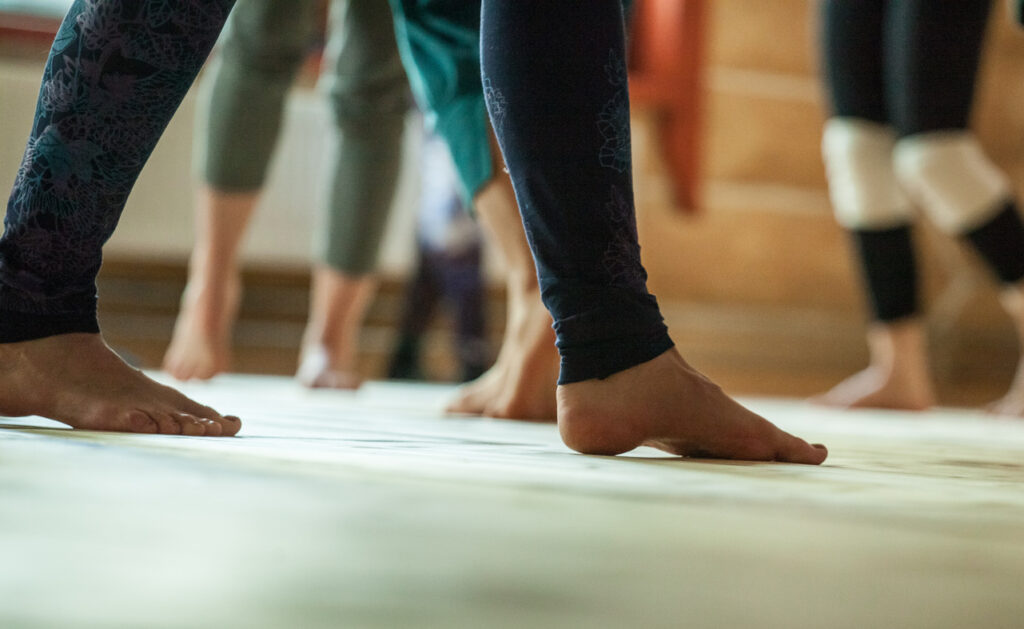
In our sessions, traditional talk therapy remains fully integrated. Moreover, we enrich our clinical dialogue by listening to the silent language of your biology through these foundational principles:
- NERVOUS SYSTEM REGULATION: We identify whether your body is stuck in a state of hyperarousal (panic/anxiety) or hypoarousal (numbing/exhaustion). Then, we gently track these states to restore peace and equilibrium.
- TRACKING MICRO-MOVEMENTS: We pay close attention to subtle physical indicators—such as changes in breath rhythm, posture, or muscle constriction. This helps the body complete trapped survival sequences safely.
- SOMATIC RESOURCING: Before exploring difficult emotions, we build physical anchors of strength, neutrality, or ease within your body so you can navigate stress without becoming overwhelmed.
- THE EMOTIONAL FRAMEWORK: We map the precise pathways where hidden or repressed emotional content—like chronic stress, unresolved anger, or guilt—reemerges at the biological level as physical pain or illness.
- TARGETED EXERCISES: By integrating Sensorimotor and Somatic Experiencing techniques, we work directly with the body to release stored trauma energy and stagnant physical tension.
Who Can Benefit from Body-oriented Techniques?
Somatic therapy can be a valuable resource for anyone seeking deeper healing, but it is especially helpful for those navigating the aftermath of trauma, anxiety, chronic stress, or emotional overwhelm. Individuals who feel disconnected from their bodies, experience persistent physical tension, or find traditional talk therapy insufficient may discover new hope and relief through body-oriented approaches. It also supports people living with chronic pain, those recovering from accidents or surgeries, and anyone ready to cultivate greater self-awareness, presence, and emotional balance. Whether you are looking to gently process trauma, build resilience, or simply reconnect with your body’s intelligence, somatic therapy offers a holistic path forward.
Evidence from research and practice shows that body-oriented techniques are especially helpful for:
- Individuals with a history of single-incident or complex trauma
- People living with post-traumatic stress disorder (PTSD) or acute stress reactions
- Those experiencing chronic anxiety or panic attacks
- Individuals suffering from chronic pain with no clear medical cause
- People who feel emotionally numb, disconnected, or “shut down”
- Survivors of childhood abuse, neglect, or attachment disruptions
- Individuals coping with grief, loss, or major life transitions
- Those struggling with persistent tension, muscle pain, or headaches
- People who have difficulty regulating emotions or experience frequent mood swings
- Individuals who have tried traditional talk therapy and seek a more body-focused, integrative approach
The Body Keeps the Story
Traditional therapy often focuses on thinking or analyzing a problem. While the intellect is incredibly valuable, your nervous system processes stress, developmental wounds, and trauma beneath conscious thought.
SOMATIC THERAPY is a body-centered approach that bridges rigorous clinical science and holistic healing. Instead of treating the mind and body as two separate entities, this practice honors them as a single, deeply integrated system.
By incorporating the body as an essential entry point in therapy, we can safely access, process, and release the somatic memories and survival responses that traditional talk therapy alone often cannot reach.
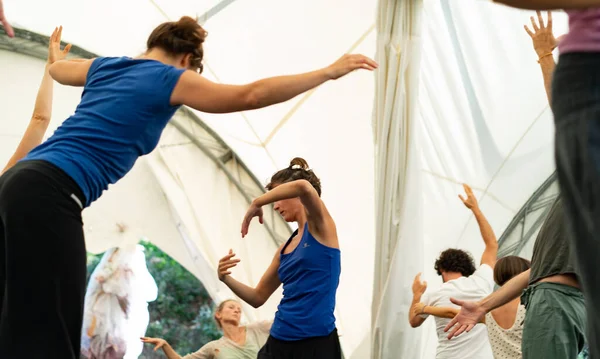
Are you interested in joining group sessions to share a more collective experience?
Explore our next Somatic Therapy Retreat in Costa Rica.